
Stories
-
The Roots Beneath the Soil
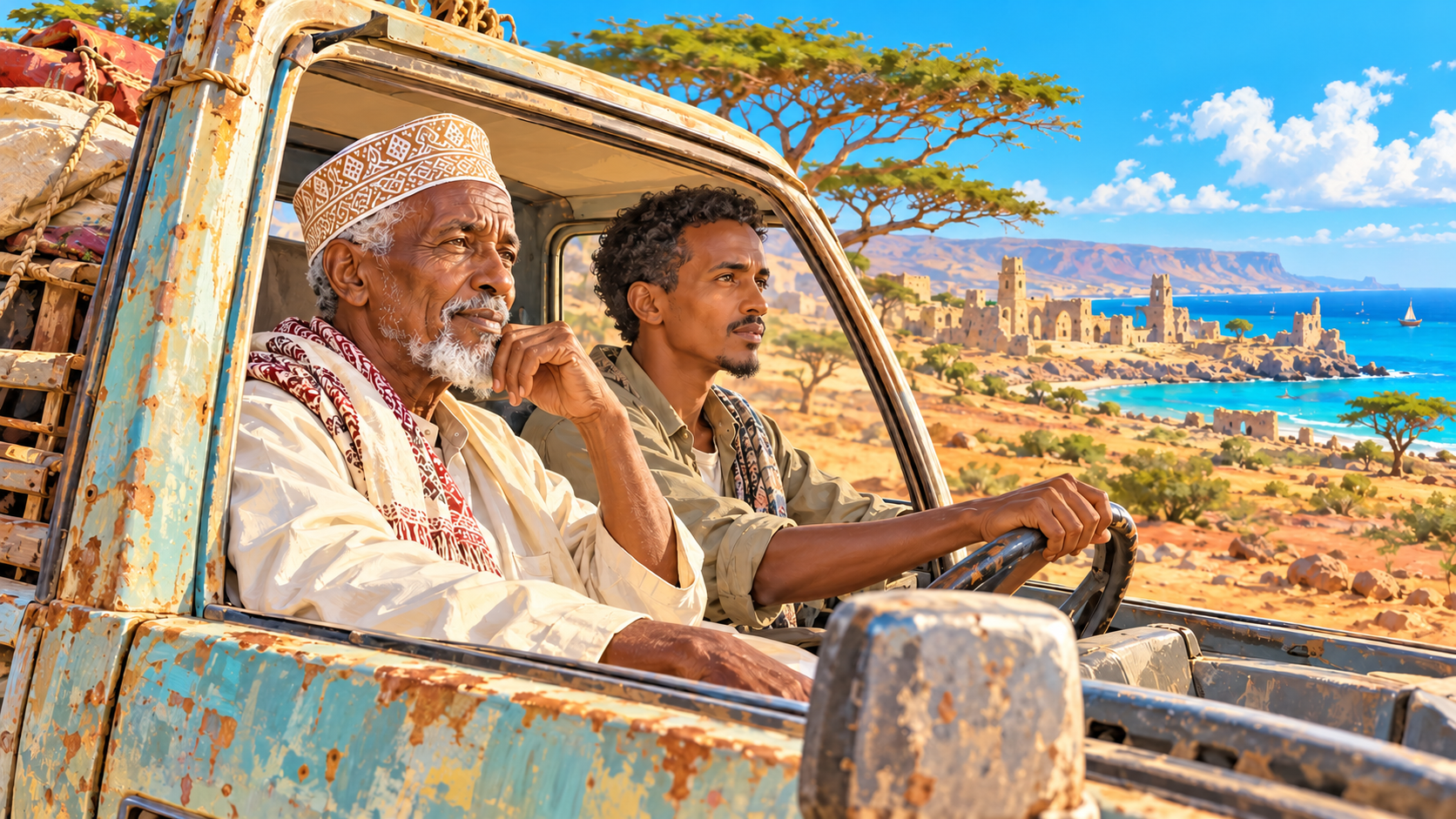
The morning sun broke over the ancient northern port of Zeila, casting long shadows from the ruins of a centuries-old mosque toward the red dirt road where an old truck sat idling. Inside the cab, Warsame and his nephew, Liban, were preparing for the long drive south toward Hargeisa. Though they shared the same blood,…
-
Somalia 1991: How a Government Fell and a Nation Fractured
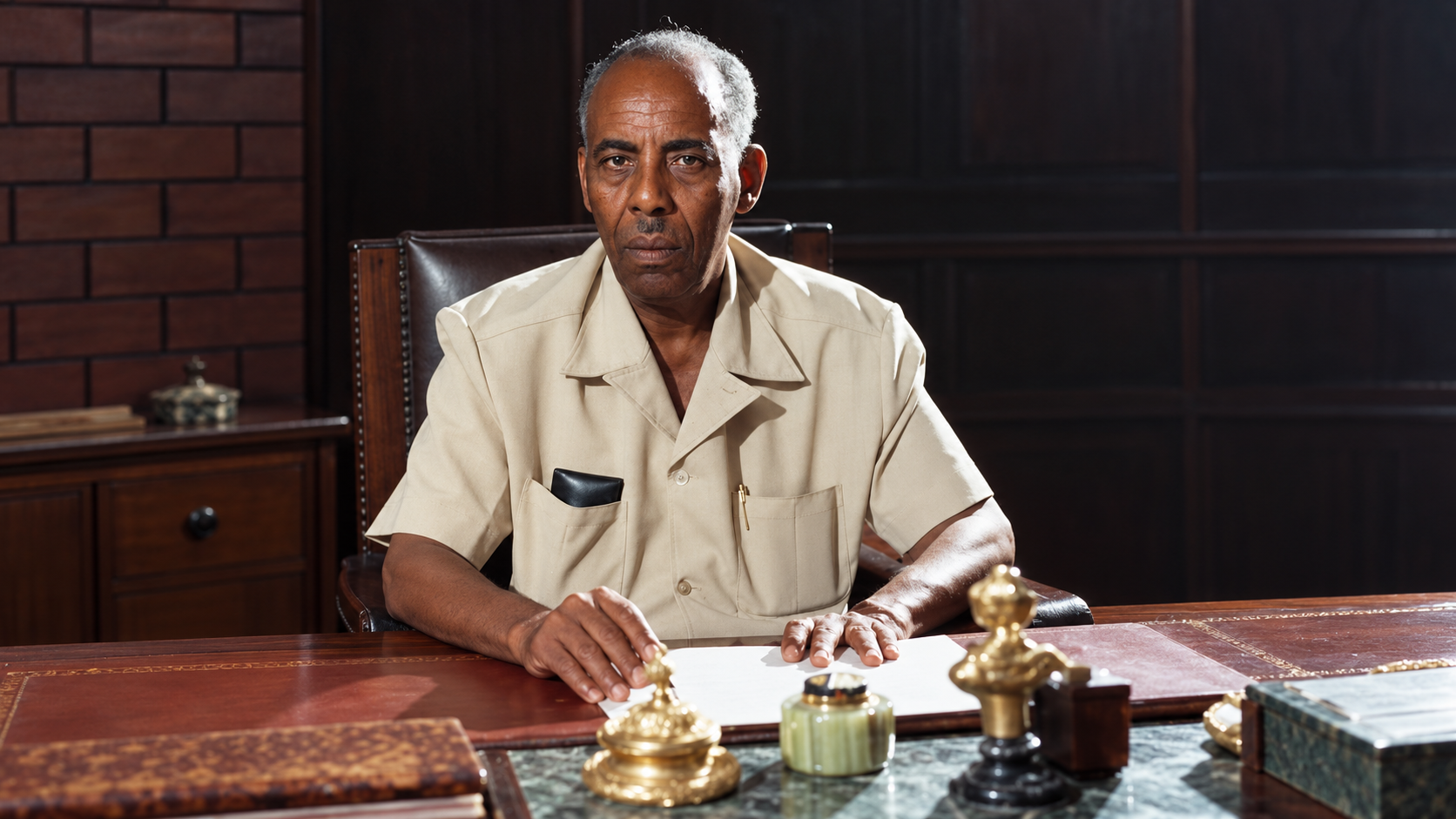
THE WIDER CHRONICLE | HISTORYOctober 21, 2026 In January 1991, Mohamed Siad Barre lost his hold on Mogadishu. His departure ended more than two decades of authoritarian rule, but it brought no agreed transfer of power. The forces that had fought to remove him could not establish a government accepted across the country. For ordinary…
-
Malcolm X: The Voice That Refused to Stand Still
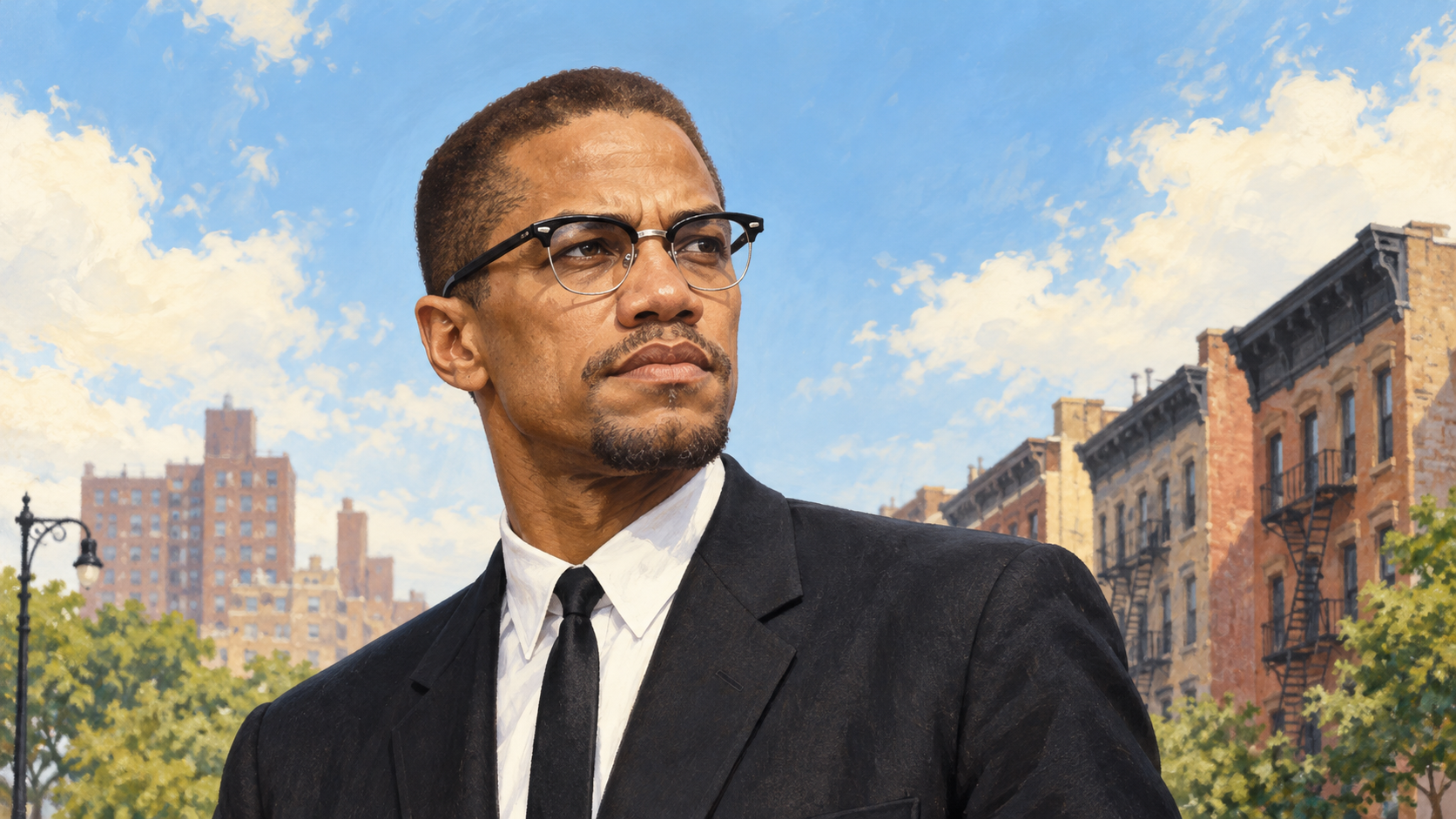
From a troubled childhood to Mecca and the world stage, Malcolm X’s life was shaped by a fierce demand for dignity—and a willingness to rethink his beliefs.
-
Sultan Mohamoud Ali Shire: The Somali Ruler Britain Sent Into Exile
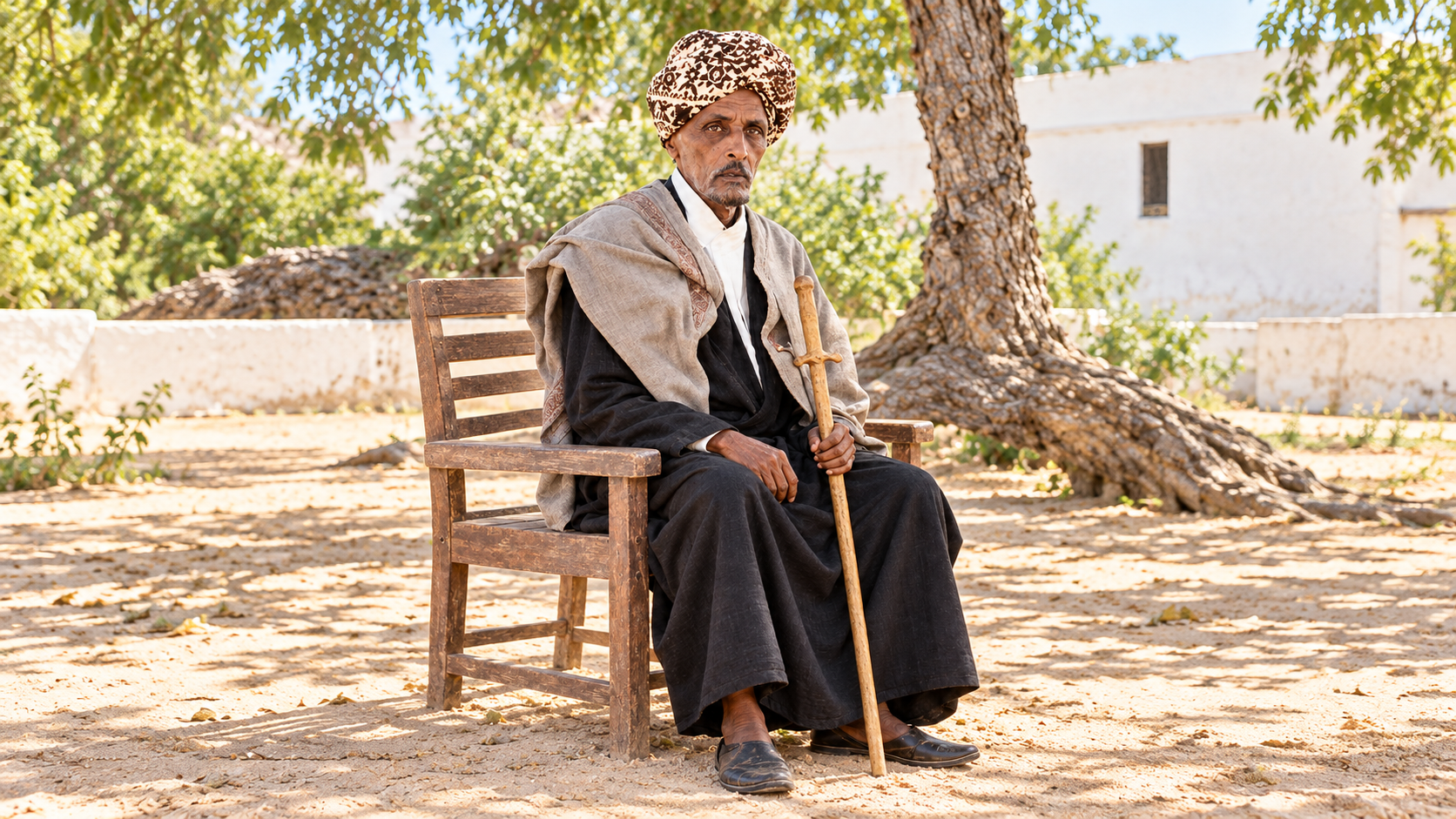
THE WIDER CHRONICLE | STORIES October 14, 2026 A portrait with a larger history The man in the portrait wears a patterned turban and layered clothing, seated with a wooden staff beside him. His expression offers no simple explanation of what he endured. Yet the photograph invites a question that reaches beyond appearance: what happens…
-
Syria’s Descent into Hell: The Legacy of Hafez and Bashar al-Assad
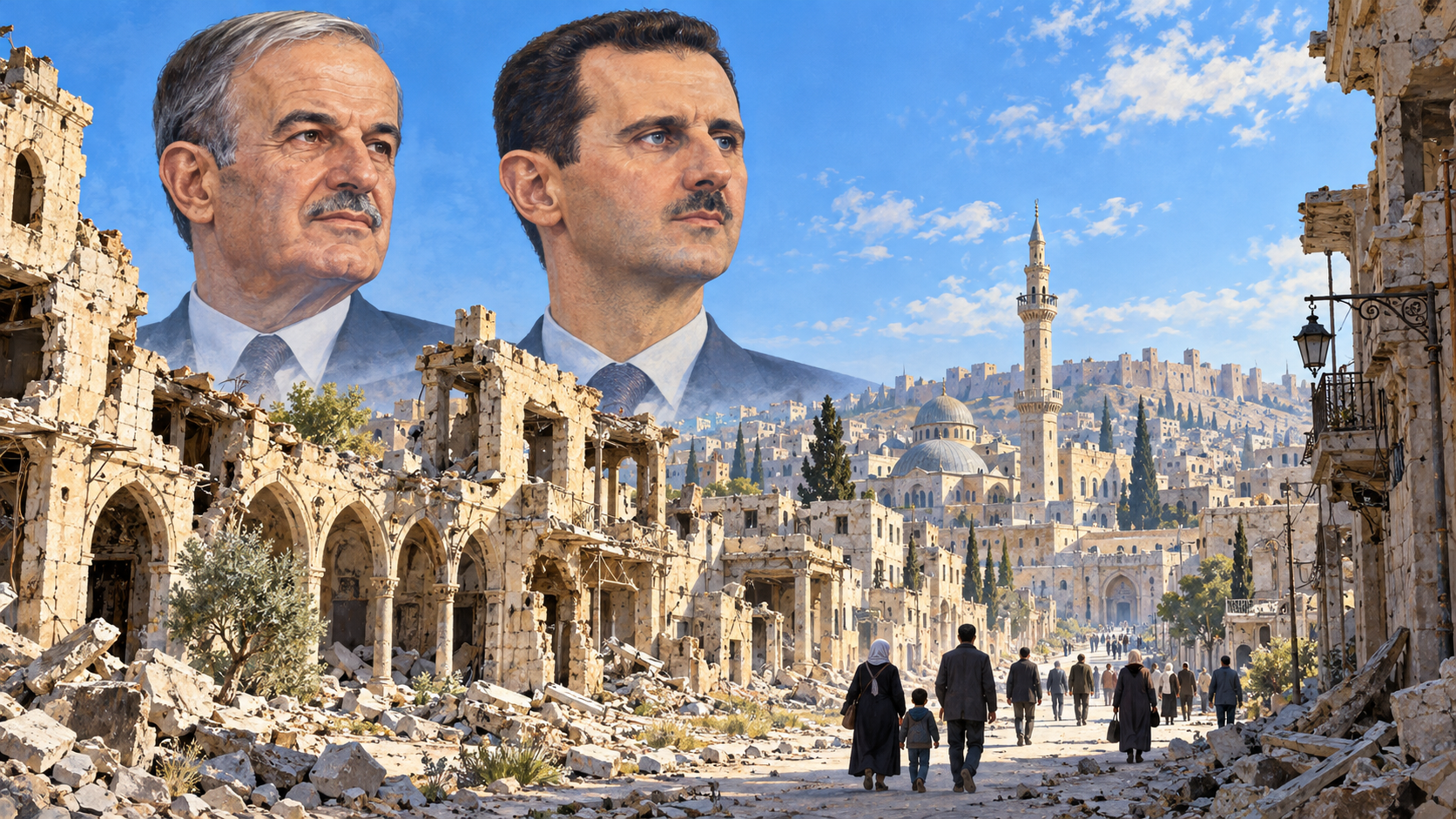
How Hafez and Bashar al-Assad built a system of repression that helped drive Syria into war, mass displacement and decades of unanswered suffering.
-
The Scars of Conflict: Historical and Contemporary Mass Violences in Somaliland’s Borderlands
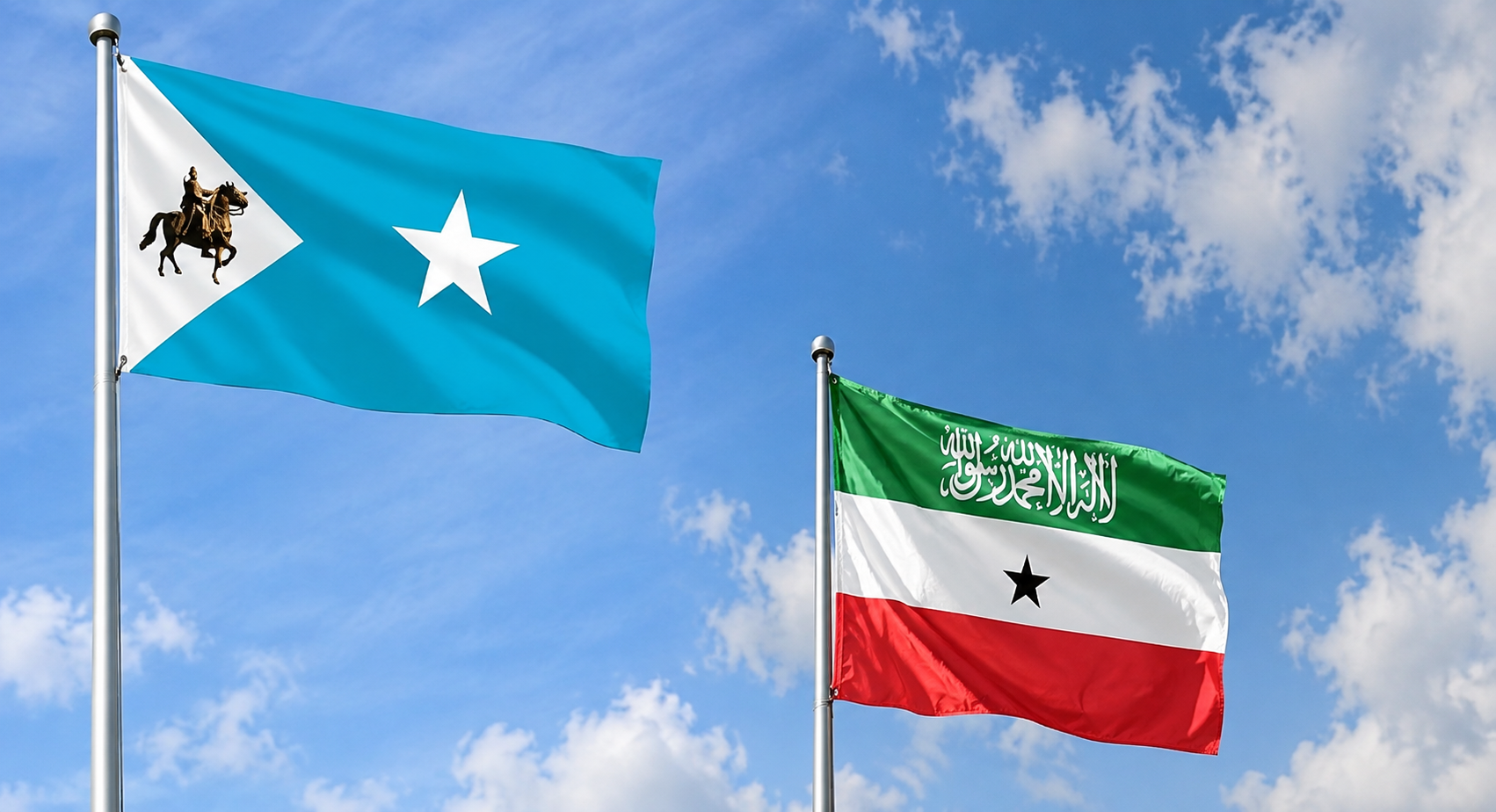
The political landscape of the Horn of Africa remains profoundly shaped by the memories of its civil conflicts. Among the most sensitive and polarizing chapters in the modern history of the region are the mass casualty events in Borama in 1991 and Las Anod in 2023. While separating these events by over three decades reveals…
-
100 Days of Silence: The Rwandan Genocide and the World That Looked Away
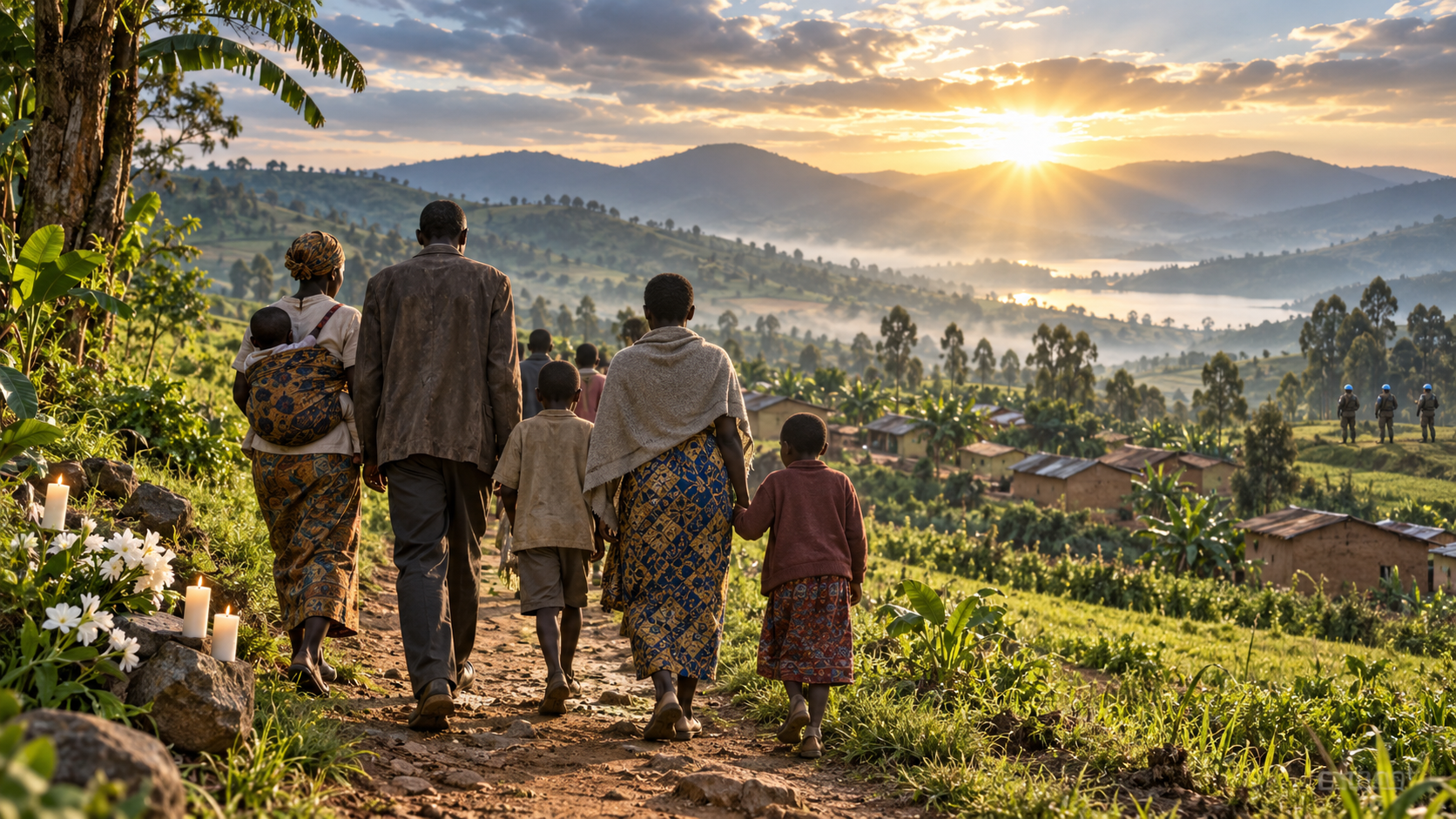
In just 100 days in 1994, approximately 800,000 people were murdered in Rwanda while much of the world stood by. Colonial favoritism had created deep resentment between Hutus and Tutsis, but the genocide was not simply an uncontrollable eruption of ancient hatred. Political leaders organized that resentment, transformed it into a campaign of revenge, and…
-
How Targeted Somali Communities Answer Hostile Rhetoric
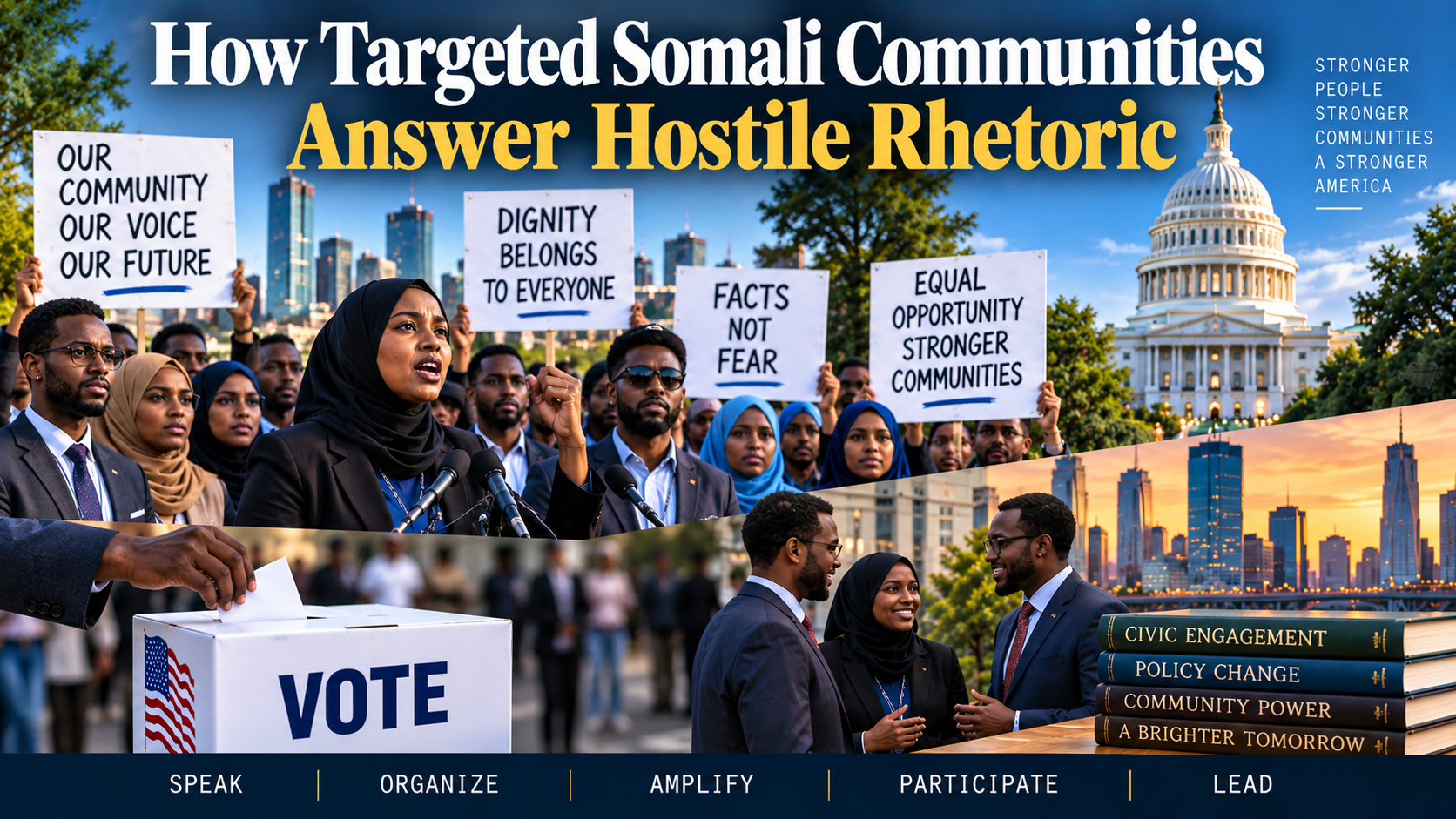
When political rhetoric targets an entire community, who gets heard? This article examines how money and media can amplify political attacks and how Somali communities can respond through counter-speech, collective organization, civic power, and political representation.
-
The Forgotten Slave Trade of East Africa
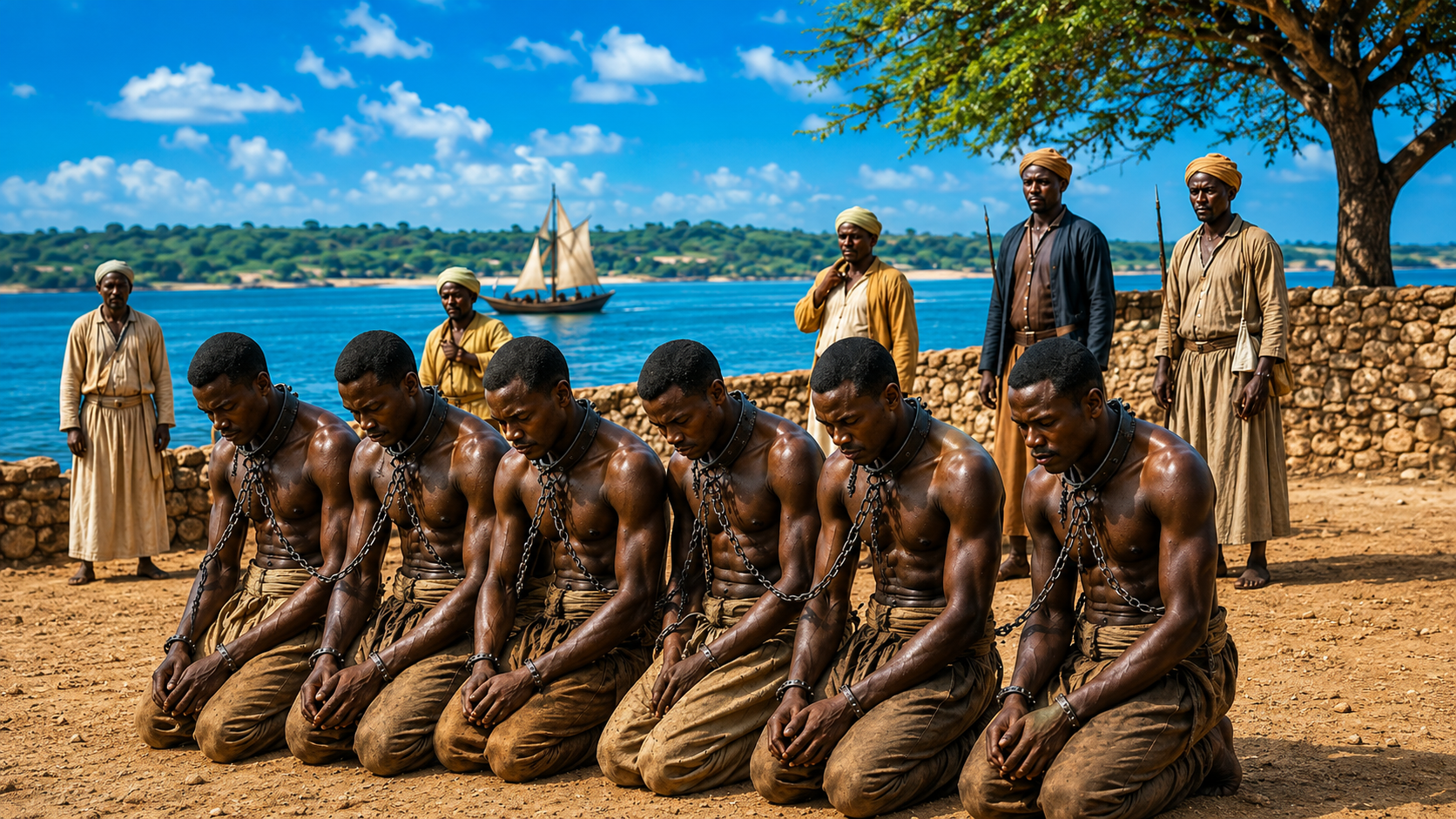
For centuries, thousands of enslaved Africans were forced from the interior of East Africa to coastal ports such as Zanzibar and Bagamoyo, then transported across the Indian Ocean to Arabia, Persia, India, and beyond. Their story became part of a vast slave-trading system that history too often overlooks.
-
The Price of Sovereignty
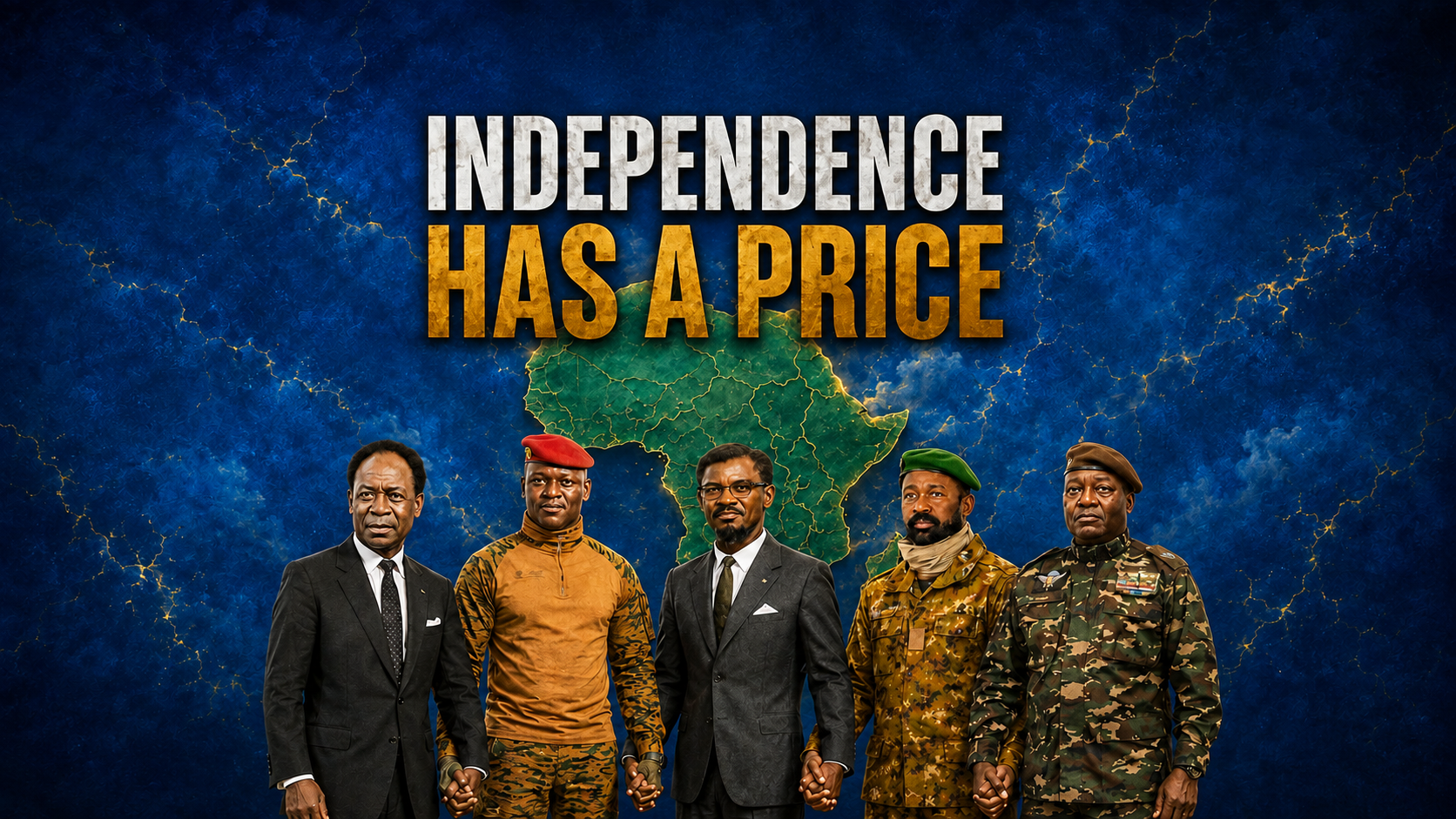
Political independence gave African nations their flags, but economic independence remained elusive. From Patrice Lumumba and Kwame Nkrumah to Thomas Sankara and today’s Sahel, discover why challenging foreign control over Africa’s wealth has often carried a heavy price.