
Analysis
Somalia’s security transition is already under way. Uganda began withdrawing some of its troops earlier this month, while Somalia faces pressure on security funding and a dispute over the rules for its next elections. A BBC News analysis published November 26 examined how those pressures could affect the country’s ability to contain al-Shabaab.
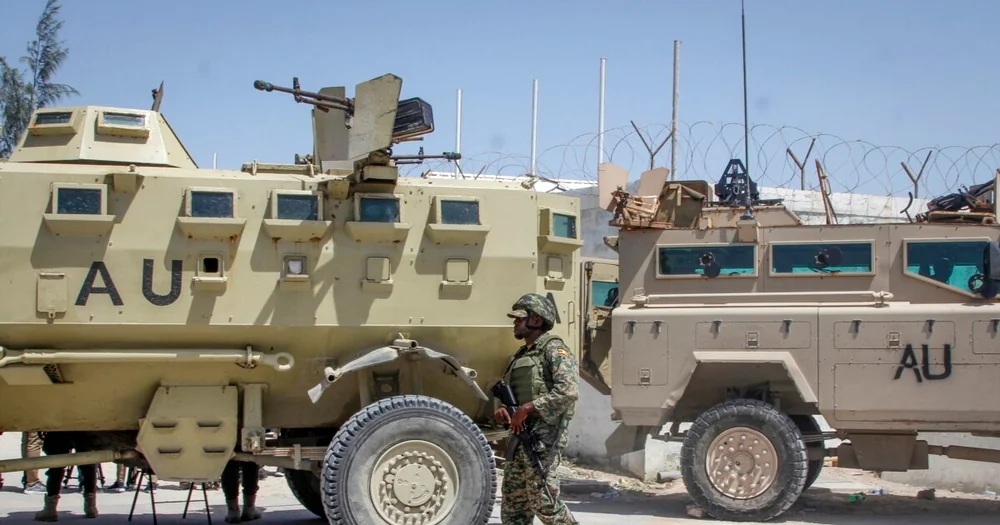
Uganda has troops in Somalia under two arrangements. The first soldiers to leave were deployed under a direct agreement with the Somali federal government. Uganda also contributes personnel to the African Union Support and Stabilization Mission in Somalia, known as AUSSOM. Uganda’s military said it plans to withdraw all of its forces, including its contingent in the AU mission, by the end of 2027. The timing matters because each departure leaves responsibilities that other forces must be ready to assume.
The Associated Press reported earlier this month that AU peacekeepers planned to take over four bases near Mogadishu as Ugandan troops left. A handover can maintain a security presence, but the larger question is whether the forces taking over have the funding and support to stay. A UN report described regional leaders calling for a phased, coordinated transition tied to strengthening Somali security institutions.
For communities near those bases, the practical question is who will provide security after the departing troops leave. The next developments to watch are whether the planned handovers take place, whether funding for the transition is secured, and whether Somali authorities can coordinate the transfer while the election dispute continues.
Leave a Reply